Facilitator Program

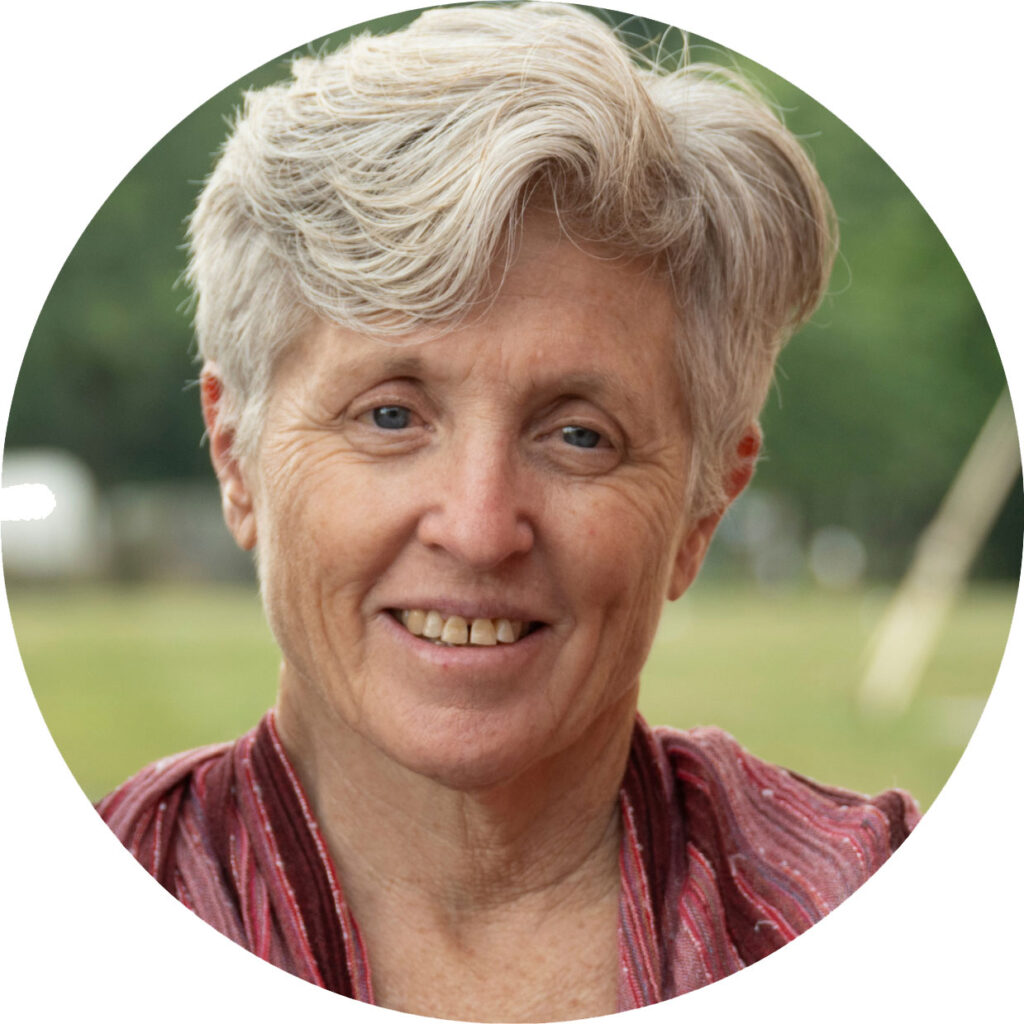
Helaine Sheias, Director of Facilitator and Program Development

TMI Mussar Group Facilitation Information Center

Welcome and thank you for your interest in Mussar Group Facilitation at The Mussar Institute. On this page, you will find information related to how to prepare and train to become a TMI Mussar Group Facilitator, what policies govern the role and responsibilities of a TMI Mussar Group Facilitator, how existing Facilitators can continue to grow and develop in their roles with various resources and support from staff and peers, and how Facilitators can engage in volunteer leadership opportunities to strengthen our Mussar community.

We value our Facilitators and welcome questions and feedback at any time. Please contact Helaine at  to schedule a call or Zoom.

Become a TMI Mussar Group Facilitator

A qualified and skilled TMI Mussar Group Facilitator acts as a guide through a self-reflective learning experience, and is not a teacher of Mussar. They are Jewish, have a strong understanding of Jewish ethics and values, the ability to extract meaning and relevance from Jewish spiritual texts, both traditional and contemporary, and know how to help their participants learn to do the same.

Our facilitators have a passion for Mussar study and practice and a deep connection to TMI and its community, acting as ambassadors of our community and organization. They have excellent communication and interpersonal skills to effectively guide and facilitate group discussions, having the ability to balance stronger voices and allow all to feel comfortable participating.

Additionally, our facilitators demonstrate patience, compassion, and open-mindedness in order to create a safe and supportive learning environment for participants. They know how to set boundaries for themselves and others, acting with the utmost professionalism, keeping va’ad (small group) discussions confidential and respectful to members, TMI, and the broader community. The facilitator has a strong commitment to their own personal growth and spiritual development, as well as to the personal growth and spiritual development of whom they are guiding.

Yesodot, TMI’s new Mussar Group Facilitator Training Program, is currently offered only once per year. Fall 2025 cohort applications are now closed. Please submit your interest below to be added to the waiting list for Fall 2026 consideration.
Program Overview

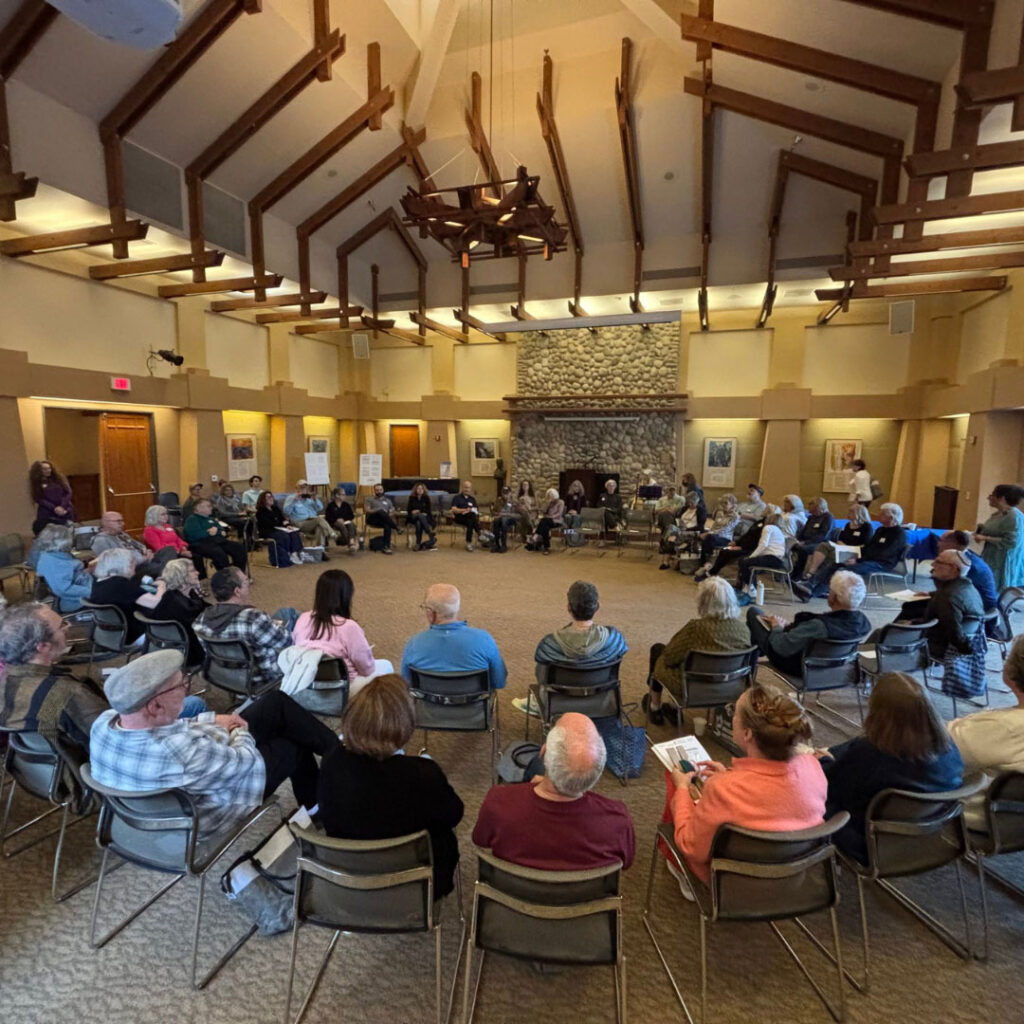
  • 10-week Intensive – weekly 90-minute Zoom group training sessions led by co-trainers and guest faculty
  • Unit-by-unit practice at home assignments and reflections
  • Unit-by-unit assessments and weekly feedback
  • Mid-Point Assessment Interview*
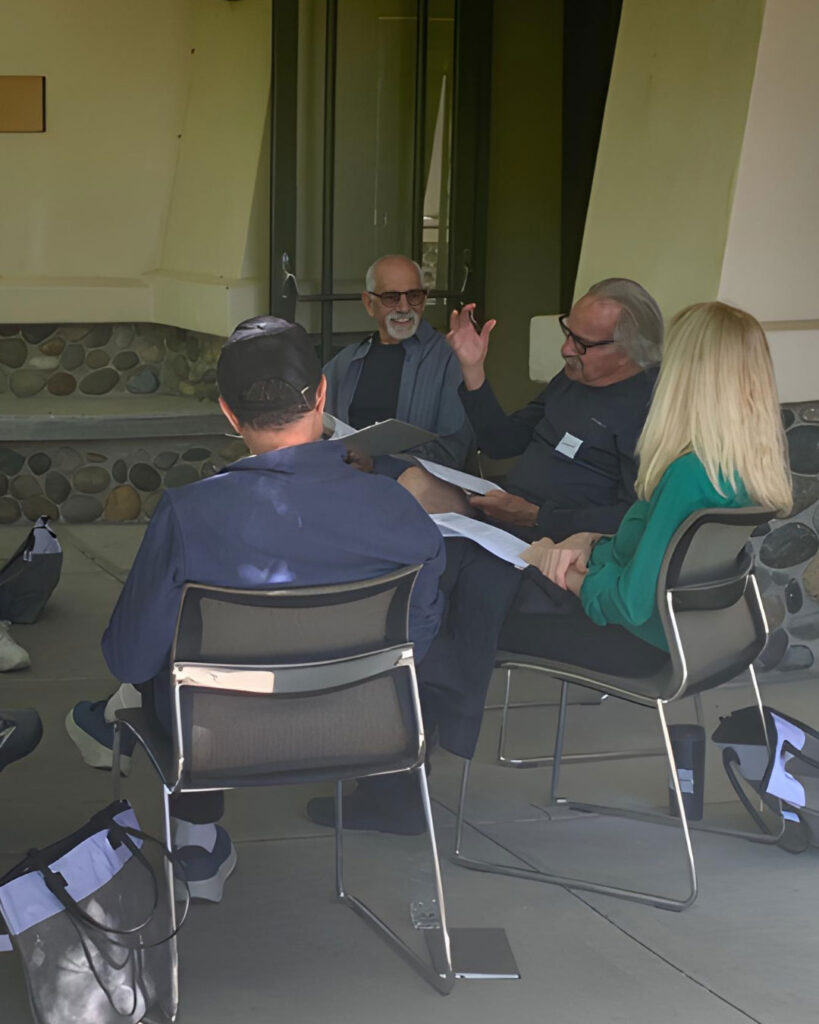
  • 8-week Practicum – weekly 90-minute Zoom group mock facilitation in a peer group setting
  • Final Assessment Interview*

*Trainees who struggle with the content or “fit” with the facilitator role may voluntarily opt out or be redirected to other volunteer opportunities with TMI. Pro-rated refunds will be issued for trainees who complete mid-way and achieve the exclusively volunteer TMI Group Moderator role.

Application Process

APPLICATIONS NOW CLOSED, WAITING LIST OPEN FOR FALL 2026

  1. Before you apply, review the pre-requisites below to make sure you qualify:
    1. Must have at least 1.5-2 years of TMI Mussar study and practice, including Pathway to the Inner Life I-III and one complete intermediate/advanced va’ad-based course such as TapestryUnblocking ZerizutMussar in Action I-II, or Path of the Soul I-II (large group/lectures not included). Completion of at least Chaburah I-II of its four parts is also a qualifier.
    2. Experience in working with groups in educational or social settings, paid or voluntary.
    3. Comfort with basic Zoom administration (scheduling, recording, screen sharing) and other event logistical experience.
    4. Desire to implement and facilitate The Mussar Institute’s programming projects (courses, retreats, webinars, etc.)
  2. Next, submit the brief online interest form below (no fee payment required at this time).
  3. You will soon receive a long form application with essay component, resume requirement, and 2 professional reference letter requests.
    1. Submit to Helaine Sheias at  by August 31st.
  4. If you meet the interview criteria, you will be scheduled for an interview with the Yesodot Selection Committee.
    1. Interviews include a 15-20 mock va’ad component that candidates should be prepared to facilitate.
    2. Interviews will be held September 2-19, 2025 with selection decisions notified by September 26, 2025.
  5. Upon acceptance, you will be asked to sign a program brit and you will be invoiced for the total program cost of $900. While we do not offer scholarships for this program, payment plans can be arranged with Dianne Benmayor, Business Manager, at . Payment plans must be paid in full no later than 2 weeks prior to the close the program.
  6. Fast Track candidates (for example, those who had prior training through Yesod or equivalent external Mussar facilitation programs) will have a truncated fee determined on a case-by-case.

This is a selective process and not all applicants will be selected. Criteria for selection includes relevant Mussar experience, demonstrated required facilitation skills, appropriate fit with TMI’s mission, values, and goals. The ability and desire to commit to facilitating TMI programming curricula is of the utmost importance.
Facilitator Network, Resources, and Support

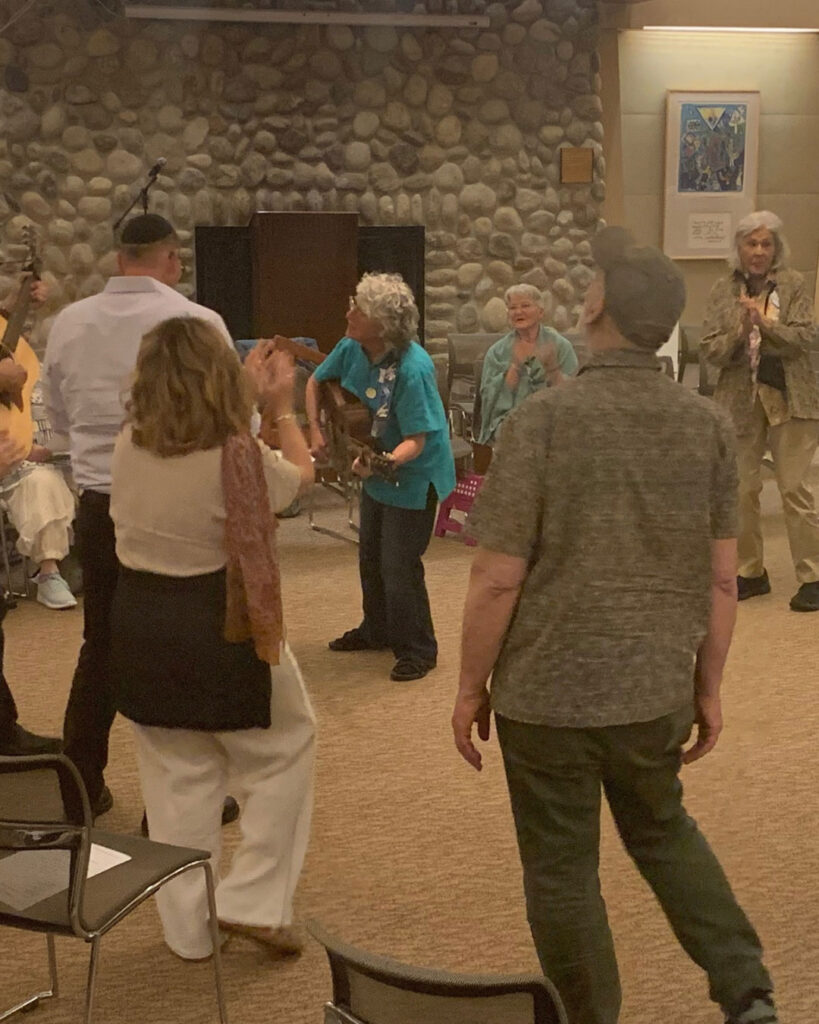
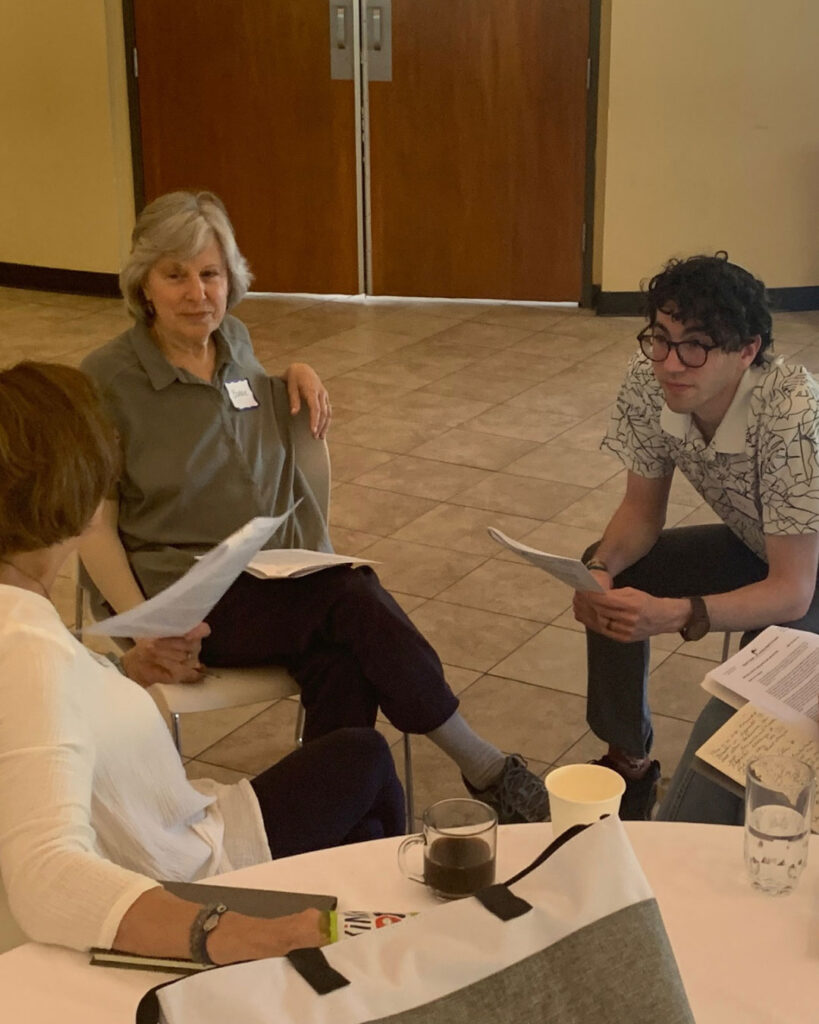
Connect, learn, and thrive alongside fellow Mussar Group Facilitators through the TMI Facilitator Network (FacNet), designed to elevate your skills in va’ad leadership and foster meaningful connections with fellow facilitators.

All TMI Mussar Group Facilitators are also automatic members of the TMI Facilitator Network. There is no additional fee to be a FacNet member.

FacNet members enjoy the following benefits:

  • Quarterly Focus on Facilitators e-Newsletter
  • Facilitator Continuing Education Workshop (FCEW) attendance at no cost
  • Makor Library resources for facilitation enhancement
  • Access to support from dedicated staff:
    • Facilitator Development and Group Conflict/Questions: Helaine Sheias
    • Technology Training and New Course Ideation/Submission: Rivka Felsher, COO
    • Course Scheduling, Compensation Invoicing, and Participant Customer Service: Dianne Benmayor, Business Manager
  • Access to peer support by request
  • Opportunities for volunteer leadership roles within TMI including ad hoc and standing committees, major event group facilitation, and task force representation by invitation

Volunteer Leadership and Engagement Opportunities

Throughout the year, TMI looks to our Mussar Group Facilitators to join us to facilitate groups at our annual major events, such as Kallah, Practice Retreat, and Online Day of Mussar. Other Facilitators, as well as Group Moderators, may moderate Mussar Schmooze Groups, Mussar Book Club meetings, or Mussar Drop-in sessions.

Sharing a skillset with fellow Facilitators by presenting an FCEW is another great way to engage with your peers.

Standing committees looking for Facilitator volunteers include:
  • FCEWs and Networking
  • Focus on Facilitators Newsletter
  • Event Facilitation Assignments
  • Yesodot Application and Selection
  • Yesodot Assessment and Ongoing Evaluation

Contact Helaine Sheias at  to learn more or volunteer.

Important Policies

The following policies govern our Mussar Group Facilitators. For assistance in any of these areas, please contact Helaine Sheias at .

  • Yesod or Rabbinic Series-trained facilitators cannot facilitate TMI va’ad-based courses, only Manchim or Cultivating a Wise Heart-trained facilitators may do so (with very rare and limited exceptions).
  • They may apply for Yesodot Fast Track (customized partial training) in order to upgrade their training to facilitate more va’ad-based courses.
  • Yesod-trained facilitators can continue to run congregational program curricula if they choose not to upgrade their training and will be considered Group Moderators for non-course group leadership opportunities, such as Mussar Schmooze Group moderation.
  • Manchim and Cultivating a Wise Heart-trained facilitators will not need to re-train in Yesodot to continue to facilitate congregational program curricula or TMI va’ad-based courses they have participated in.
  • Facilitators can only facilitate a va’ad-based course they themselves have participated in, and those they have not as case-by-case exceptions granted for highly skilled/educated facilitators.
  • Facilitators who wish to facilitate TMI va’ad-based courses, whether online or in person, must become members and maintain Chaverim membership.
  • Facilitators who wish to facilitate TMI va’ad-based courses and programs, facilitate at a retreat/kallah, moderate a Schmooze group, etc., whether online or in person as organized by TMI, must attend TMI’s Sexual Harassment and Discrimination Training annually AND complete four (4) facilitator continuing education units (FCEUs) annually.
    • FCEUs can be earned by attending TMI FCEWs, Retreat/Kallah facilitator workshops, or external related workshops with form submission (prior approval by the Director of Facilitator and Program Development required).
    • Group Moderators are required to attend TMI’s Sexual Harassment and Discrimination Training annually, but do not have to complete annual FCEUs.
  • Facilitators are compensated 25% of va’ad-based course revenue whether offered online or locally, incentivizing them to fill va’ad cohorts, and are not compensated for congregational program curricula they purchase and offer locally as they may seek compensation for congregational program curricula directly from their local organization.
    • TMI does not charge a direct participant fee for congregational program participation, allowing facilitators to do so if they wish.
    • TMI does charge per person registration fees to participants of locally facilitated va’ad-based courses.
  • Facilitators who opt out of monetary compensation may take 1 TMI course of their choice per course they facilitate for no cost. For active facilitators looking to advance into higher level course facilitation, this policy serves to remove a financial barrier. Please direct questions on this policy to Dianne Benmayor, Business Manager.